Maritime logistics plays a crucial role in today’s global economy, acting as the backbone of international trade and global supply chains. With more than 80% of global trade by volume transported via sea, ocean freight remains the most efficient and cost-effective mode of transportation for large-scale cargo movements. As international shipping continues to evolve, maritime logistics providers are adapting to meet growing demands for reliability, sustainability, and digital efficiency.
Maritime logistics refers to the planning, coordination, and execution of sea transportation activities, including ocean freight services, cargo handling, customs clearance, and port operations. It connects manufacturers, exporters, importers, and consumers across continents through well-established shipping routes and global port networks.
Ocean freight offers unmatched advantages in terms of capacity and cost efficiency, making it the preferred solution for transporting bulk cargo, containerized goods, and oversized shipments. For businesses engaged in international shipping, maritime logistics provides a stable and scalable foundation to support long-distance trade.
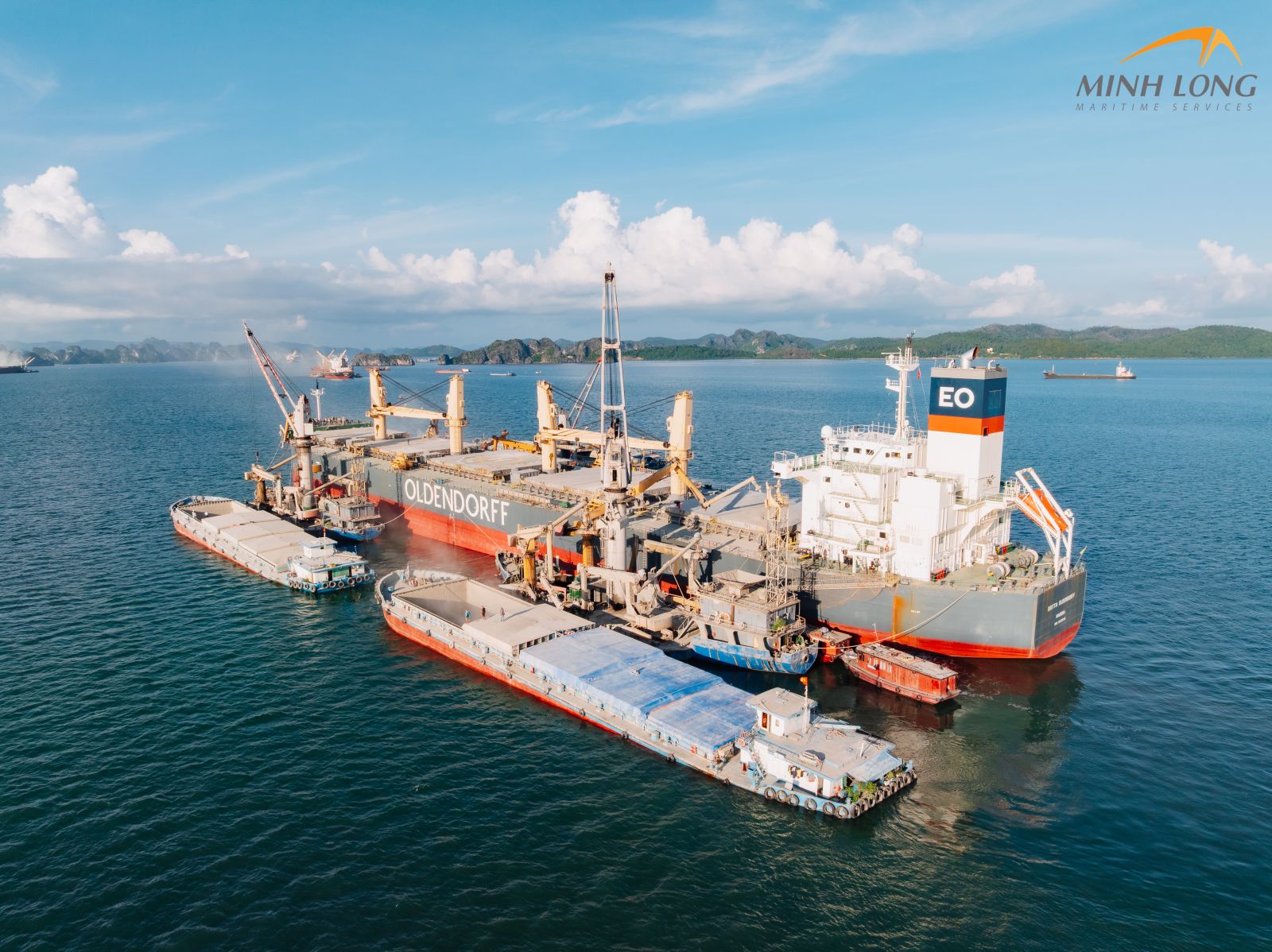
Ocean freight remains the dominant mode of transportation in global trade due to its ability to handle high cargo volumes at relatively low costs. Compared to air freight, sea transportation is more economical for large shipments and non-time-sensitive goods. This makes ocean freight an essential component of supply chain strategies for industries such as manufacturing, agriculture, retail, and energy.
In recent years, demand for ocean freight has increased as global trade rebounds and emerging markets expand their export and import activities. Shipping companies and logistics providers are responding by optimizing vessel capacity, improving route planning, and strengthening partnerships with international shipping lines.
Despite its advantages, the shipping industry faces several challenges that directly impact maritime logistics operations. Port congestion, fluctuating fuel prices, regulatory compliance, and geopolitical uncertainties can disrupt sea transportation and affect delivery schedules. Additionally, supply chain disruptions experienced in recent years have highlighted the need for more resilient and flexible logistics solutions.
To overcome these challenges, maritime logistics providers are investing in technology-driven solutions such as real-time cargo tracking, digital documentation, and data analytics. These tools enhance visibility across the supply chain and enable faster decision-making in international shipping operations.
Digital transformation is reshaping the maritime logistics landscape. Advanced technologies are being integrated into shipping operations to improve efficiency, transparency, and customer experience. Electronic bills of lading, automated booking systems, and real-time tracking platforms are becoming standard features in modern logistics services.
By adopting digital solutions, logistics companies can reduce paperwork, minimize errors, and streamline communication between stakeholders. This transformation not only improves operational efficiency but also strengthens trust and reliability in international shipping and ocean freight services.
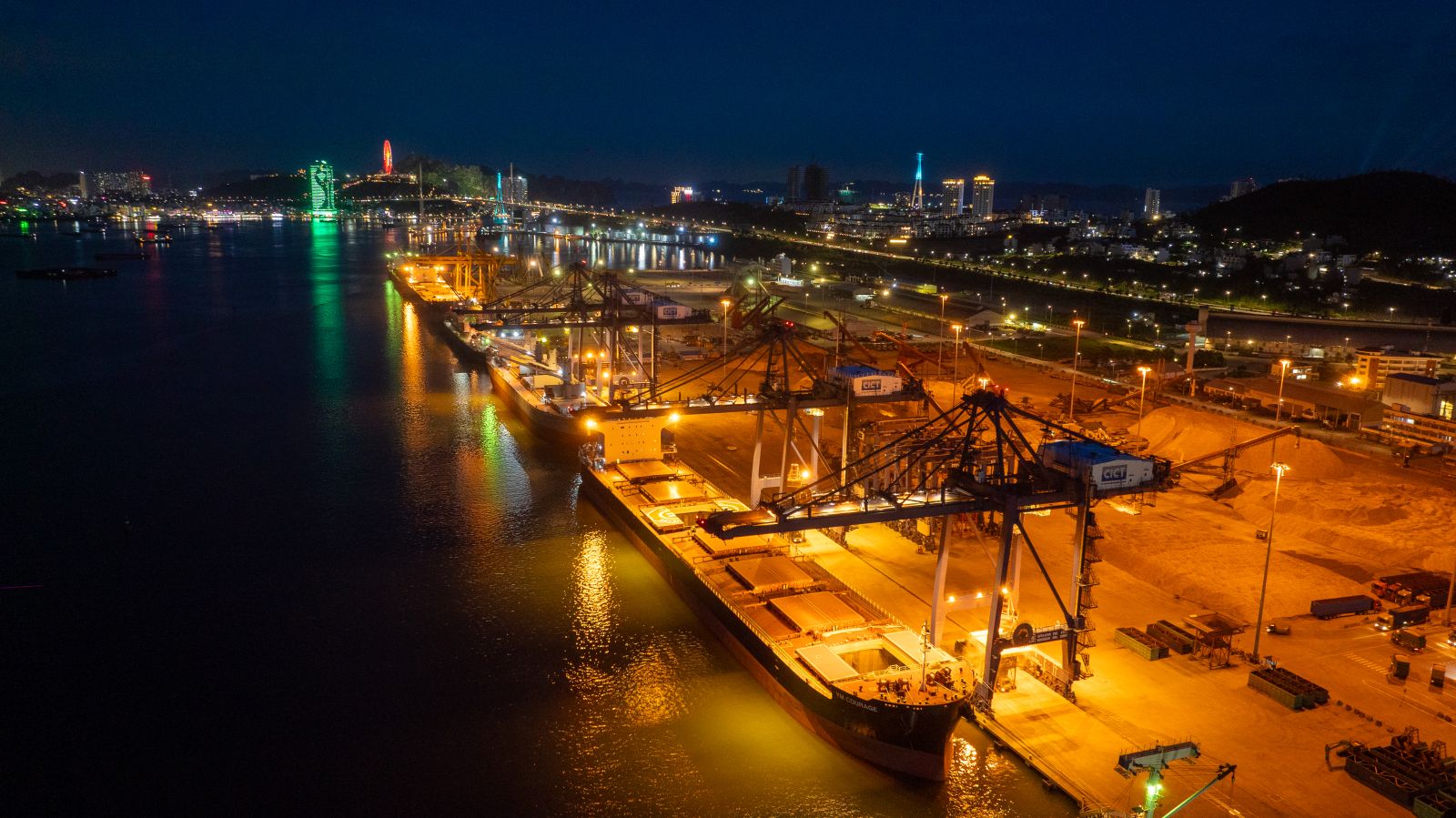
Sustainability has become a key focus in the maritime logistics and shipping industry. With increasing environmental regulations and growing awareness of climate change, shipping companies are implementing eco-friendly practices to reduce their carbon footprint. These initiatives include the use of fuel-efficient vessels, alternative fuels, and optimized shipping routes.
Sustainable sea transportation not only helps protect the environment but also enhances the long-term competitiveness of logistics providers. Companies that prioritize sustainable maritime logistics are better positioned to meet regulatory requirements and attract environmentally conscious clients in global supply chains.
Maritime logistics providers play a critical role in ensuring smooth and efficient international shipping operations. Their services typically include ocean freight (FCL and LCL), cargo consolidation, customs brokerage, warehousing, and door-to-door transportation. By offering integrated logistics solutions, these providers help businesses manage complex supply chain processes with greater ease.
Strong global partner networks and close cooperation with shipping lines allow logistics companies to offer flexible routing options and competitive freight rates. This reliability is essential for businesses seeking consistent and timely delivery of goods in international markets.
Efficient maritime logistics strengthens the global supply chain by enabling seamless movement of goods across borders. Reliable ocean freight services help businesses reduce transportation costs, manage inventory more effectively, and expand their market reach. As global trade continues to grow, the importance of maritime logistics in supporting economic development cannot be overstated.
Logistics providers that combine industry expertise, advanced technology, and customer-focused solutions are well-equipped to meet the evolving needs of international shipping. Their ability to adapt to market changes and supply chain disruptions ensures long-term success in a competitive global environment.
Maritime logistics remains a cornerstone of global trade and international shipping. Through efficient ocean freight services, advanced digital solutions, and sustainable practices, the shipping industry continues to support the movement of goods worldwide. As global supply chains become more complex, the role of professional maritime logistics providers will continue to expand, driving efficiency, connectivity, and growth in the global economy.