The global shipping industry is undergoing significant transformation as ocean freight continues to play a central role in international trade. Maritime logistics remains the backbone of global supply chains, enabling the efficient movement of goods across continents. As trade volumes grow and market demands evolve, new trends are shaping the future of sea transportation and international shipping.
Ocean freight accounts for the majority of global cargo transportation, making it an essential component of the global supply chain. Its ability to move large quantities of goods at competitive costs gives sea transportation a clear advantage over other modes of transport. From raw materials to finished consumer products, ocean freight supports a wide range of industries worldwide.
As global trade continues to expand, demand for reliable maritime logistics services is increasing. Importers and exporters rely on efficient international shipping solutions to maintain stable supply chains and meet customer expectations. This growing dependence highlights the importance of innovation and adaptability within the shipping industry.
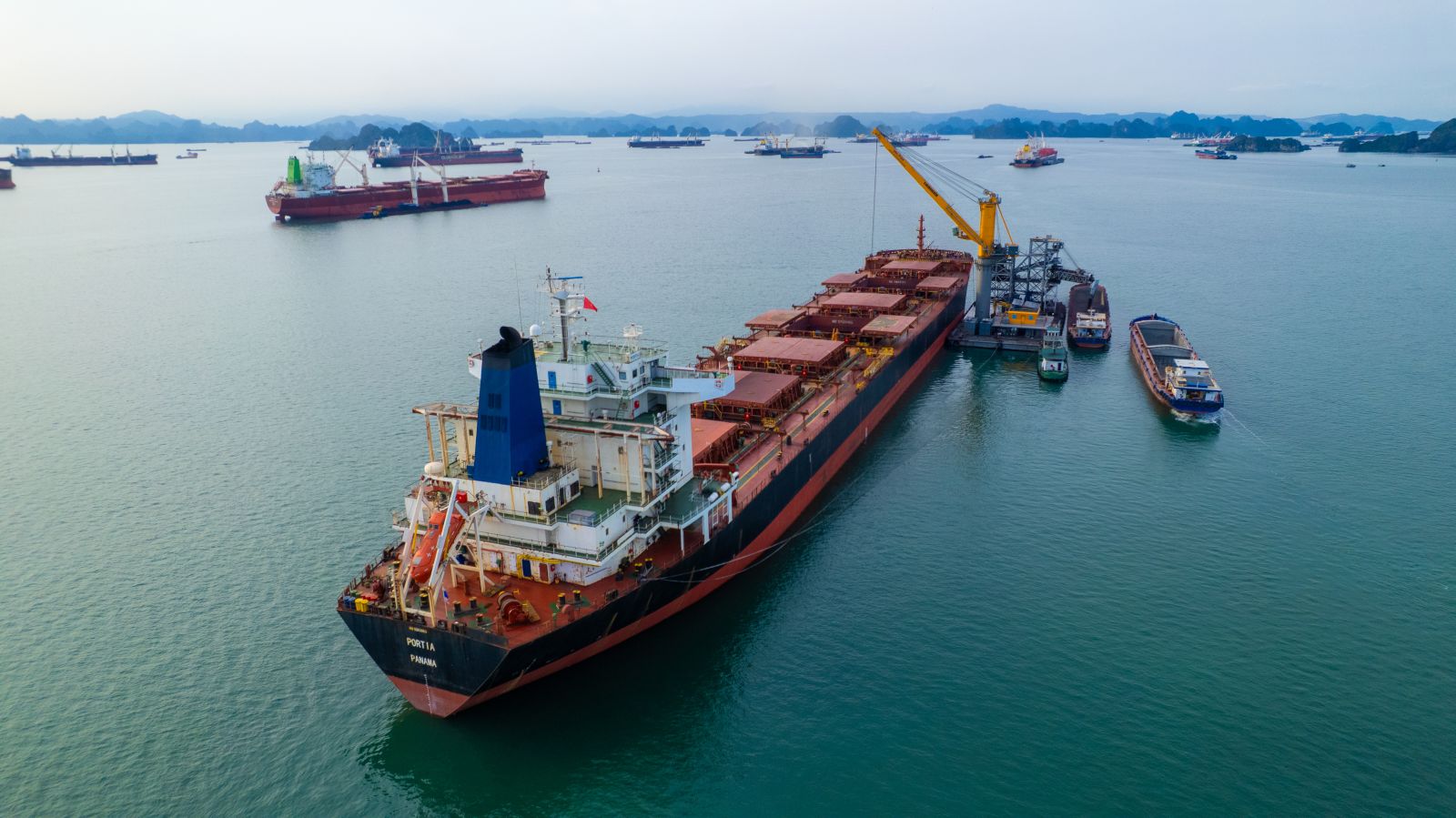
One of the most notable trends in maritime logistics is the optimization of vessel capacity and fleet expansion. Shipping companies are investing in larger and more fuel-efficient vessels to meet rising demand for ocean freight. These modern ships offer improved capacity utilization and lower operational costs, benefiting both carriers and customers.
At the same time, logistics providers are focusing on better route planning and network optimization. By reducing transit times and avoiding congested ports, shipping companies can improve reliability and efficiency in international shipping operations. This approach strengthens the overall performance of the global supply chain.
Digital transformation is reshaping the shipping industry and redefining maritime logistics practices. Advanced technologies such as automated booking systems, electronic documentation, and real-time cargo tracking are becoming standard across international shipping networks. These digital tools enhance transparency and improve communication among stakeholders.
Real-time visibility allows businesses to monitor shipments throughout the transportation process, helping them respond quickly to disruptions. Digital solutions also reduce administrative workloads and minimize errors associated with manual paperwork. As a result, maritime logistics providers can deliver more efficient and customer-focused services.
Recent global events have highlighted the vulnerability of supply chains to unexpected disruptions. Port congestion, labor shortages, and fluctuating fuel prices have affected sea transportation schedules and freight rates. In response, maritime logistics companies are adopting more resilient strategies to manage risks and maintain service continuity.
Diversifying shipping routes, strengthening partnerships, and investing in contingency planning are becoming key priorities. By enhancing flexibility in ocean freight operations, logistics providers can better navigate uncertainties and support stable international shipping services for their clients.
Sustainability has emerged as a major focus within maritime logistics and the shipping industry. Environmental regulations and global efforts to reduce carbon emissions are driving changes in sea transportation practices. Shipping companies are adopting fuel-efficient technologies, alternative energy sources, and optimized sailing speeds to minimize environmental impact.
Sustainable maritime logistics not only helps protect the environment but also improves long-term competitiveness. Businesses are increasingly choosing logistics partners that demonstrate a commitment to responsible and eco-friendly operations. This shift is influencing how international shipping services are designed and delivered.
Maritime logistics providers play a critical role in connecting global markets through ocean freight and international shipping services. Their expertise in cargo handling, customs clearance, and supply chain coordination ensures smooth transportation processes from origin to destination.
By offering integrated logistics solutions, providers help businesses reduce operational complexity and improve efficiency. Strong relationships with shipping lines and global partners allow logistics companies to secure competitive freight rates and flexible service options. This support is essential for businesses operating in highly competitive international markets.
Customer expectations in maritime logistics are evolving. Businesses now demand greater transparency, faster response times, and tailored logistics solutions. In response, logistics providers are adopting customer-centric approaches that prioritize communication, reliability, and service quality.
Customized ocean freight solutions, proactive shipment updates, and dedicated customer support teams are becoming standard features. These improvements enhance trust and long-term partnerships between logistics providers and their clients, reinforcing the value of professional maritime logistics services.
The future of maritime logistics will be shaped by continued digital innovation, sustainability initiatives, and global trade growth. Ocean freight will remain a vital component of international shipping, supporting the movement of goods across global supply chains.
As the shipping industry adapts to changing market conditions, logistics providers that invest in technology, sustainability, and customer-focused solutions will gain a competitive advantage. Their ability to deliver reliable and efficient sea transportation services will be key to supporting global commerce in the years ahead.
Ocean freight and maritime logistics continue to be fundamental drivers of international trade and global supply chains. Through capacity optimization, digital transformation, and sustainable practices, the shipping industry is evolving to meet modern challenges. As demand for international shipping grows, maritime logistics providers will play an increasingly important role in ensuring efficient, resilient, and connected global trade.