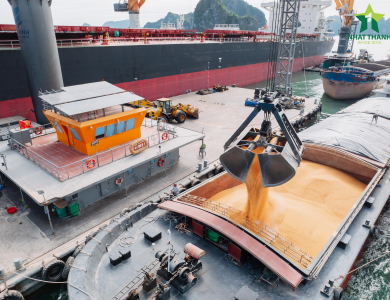
Ports and port infrastructure play a strategic role in the development of maritime logistics and global sea transportation. As critical gateways for international shipping, ports connect inland supply chains with global markets. The efficiency of port operations directly impacts ocean freight performance, shipping costs, and the reliability of the global supply chain.
Ports serve as vital hubs within maritime logistics networks, facilitating the loading, unloading, and transshipment of cargo. Efficient port infrastructure enables smooth cargo flows and reduces vessel turnaround time. For international shipping, well-developed ports are essential to maintaining reliable schedules and minimizing disruptions in sea transportation.
With the growth of global trade, ports are handling increasing volumes of containerized and bulk cargo. This growth places pressure on port capacity and operational efficiency, making infrastructure development a top priority for governments and logistics stakeholders.
Port congestion remains one of the most significant challenges in the shipping industry. Delays caused by overcrowded terminals, labor shortages, and limited berth availability can disrupt ocean freight schedules and increase transportation costs. These delays affect not only shipping companies but also importers and exporters that rely on timely deliveries.
To address congestion, ports are investing in modern terminal equipment, automated handling systems, and improved traffic management. These upgrades help optimize cargo movement and enhance the overall efficiency of maritime logistics operations.
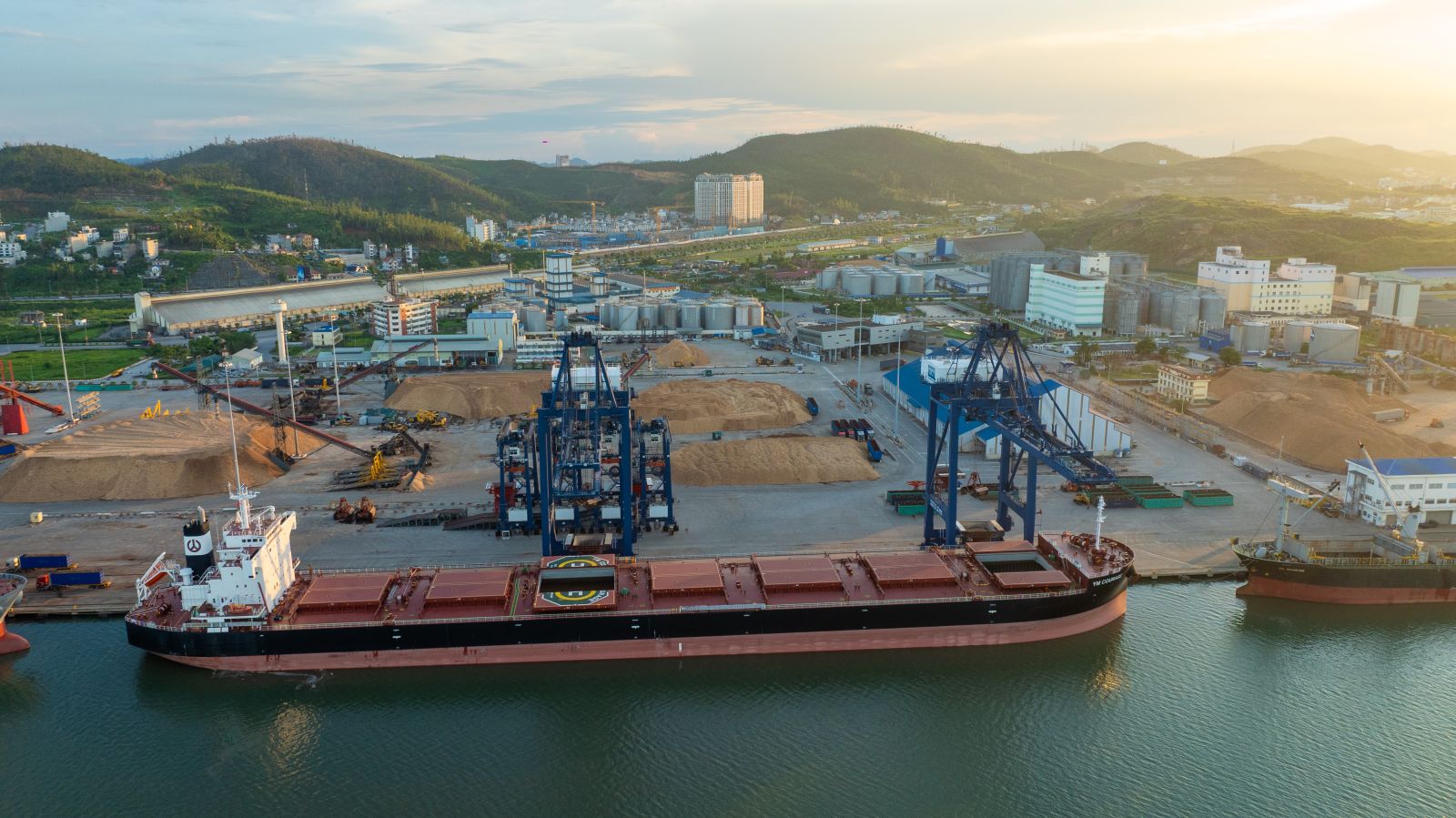
Digitalization is transforming port operations and redefining the future of maritime logistics. Smart ports leverage technologies such as automation, artificial intelligence, and data analytics to improve efficiency and transparency. Real-time data sharing between ports, shipping lines, and logistics providers enables better coordination and faster decision-making.
Automated container terminals, electronic gate systems, and digital cargo tracking platforms reduce manual processes and improve accuracy. These innovations support smoother sea transportation and strengthen international shipping networks by reducing delays and operational risks.
Ports are no longer standalone facilities; they are integral components of the global supply chain. Effective integration with inland transportation networks such as rail, road, and inland waterways is essential for seamless cargo movement. This intermodal connectivity enhances the efficiency of maritime logistics and reduces overall transportation costs.
Logistics providers work closely with port authorities to coordinate cargo flows and optimize end-to-end supply chain performance. By aligning port operations with supply chain requirements, businesses can achieve greater reliability in international shipping and ocean freight services.
Sustainability has become a key focus in port development and maritime logistics. Ports are implementing environmentally friendly practices to reduce emissions and minimize environmental impact. Shore power systems, energy-efficient equipment, and waste management programs are increasingly common in modern ports.
Green port initiatives support sustainable sea transportation and help shipping companies comply with international environmental regulations. As sustainability becomes a competitive factor, ports that prioritize green logistics are more attractive to global shipping lines and logistics providers.
Maritime logistics providers play a crucial role in managing port-related activities, including cargo handling, customs clearance, and documentation. Their expertise ensures smooth coordination between port authorities, shipping lines, and cargo owners. Efficient port-side logistics reduces delays and improves the reliability of international shipping services.
Strong partnerships between logistics providers and port operators enhance operational efficiency and service quality. These collaborations are essential for handling complex cargo flows and meeting the demands of modern global trade.
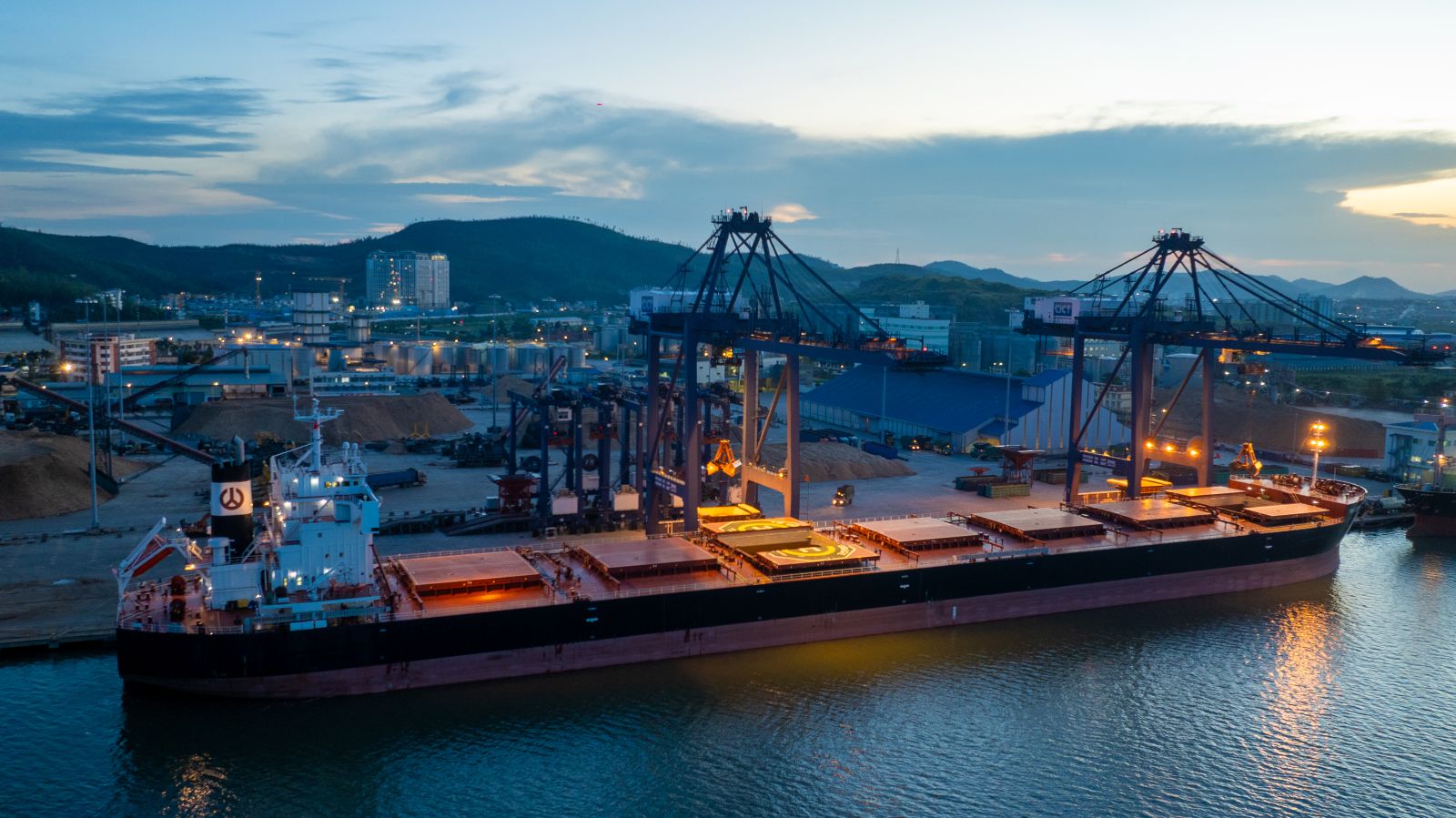
Investment in port infrastructure supports regional economic development and trade growth. Modern ports attract shipping services, logistics companies, and industrial activity, creating jobs and enhancing trade competitiveness. For emerging markets, port development is a key driver of integration into global supply chains.
Improved port capacity and connectivity enable countries to expand their export and import activities. As a result, maritime logistics becomes a catalyst for economic growth and international trade expansion.
The future of maritime logistics will increasingly revolve around port-centric strategies. Smart port development, digital integration, and sustainability initiatives will shape the next generation of sea transportation. Ports that adapt to these trends will play a leading role in supporting efficient and resilient global supply chains.
As global trade continues to evolve, ports and maritime logistics providers must collaborate to address capacity challenges and improve operational performance. Their combined efforts will define the future of international shipping.
Ports are the backbone of maritime logistics and global sea transportation. Through infrastructure development, digital innovation, and sustainable practices, ports strengthen international shipping and support efficient global supply chains. As trade volumes grow, the role of ports in maritime logistics will become even more critical, driving connectivity, reliability, and long-term growth in the shipping industry.